Why Turnaround Time in Emergency Radiology Can Save Lives
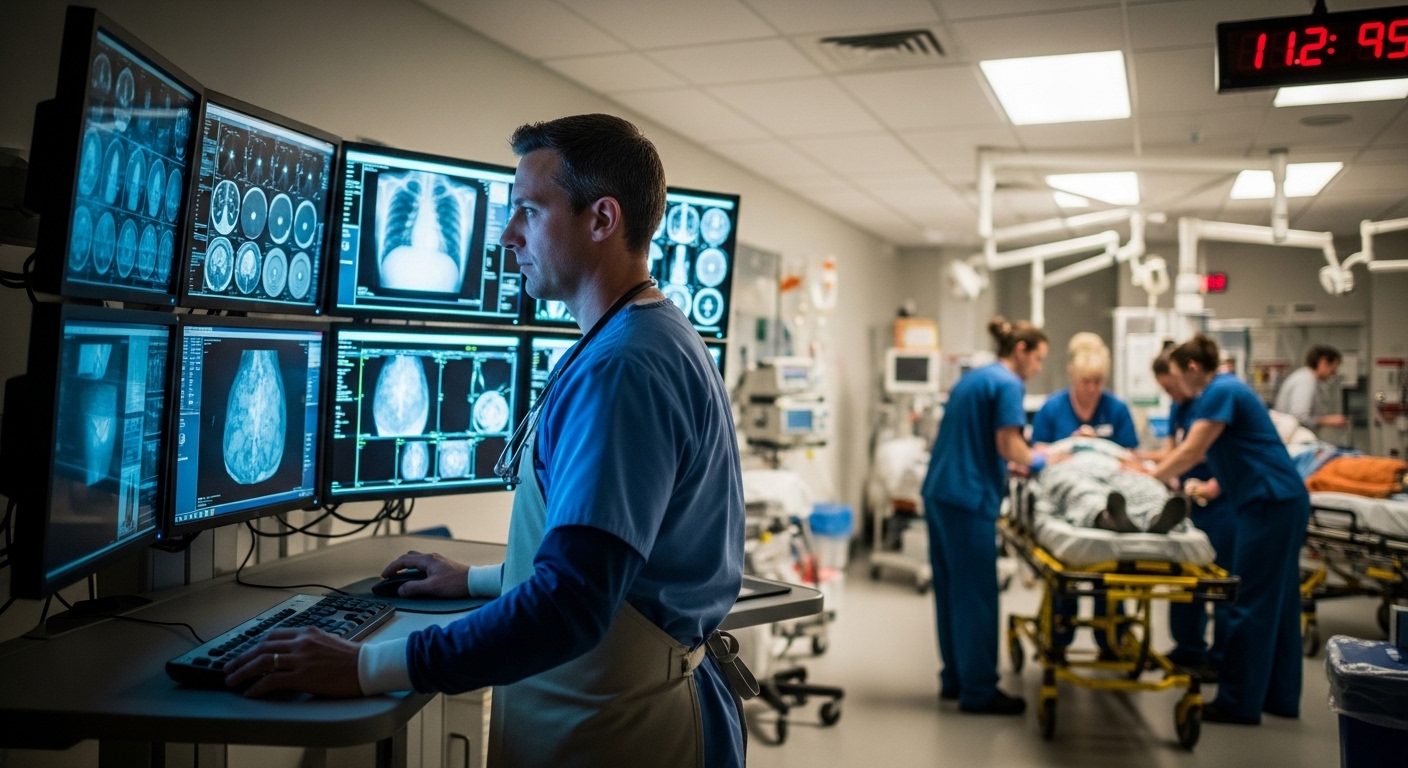
In emergency medicine, minutes matter. Whether managing trauma, stroke, pulmonary embolism, or intracranial haemorrhage, rapid radiology reporting plays a decisive role in patient survival and outcomes.
Emergency radiology reporting ensures that life-threatening conditions are identified quickly, enabling clinicians to act without delay. A slow report can postpone surgery, thrombolysis, or other urgent interventions — potentially worsening patient prognosis.
The Impact of Fast Reporting in Critical Cases
Stroke & Intracranial Haemorrhage
Early CT interpretation determines eligibility for life-saving interventions. Delays can lead to irreversible brain damage.
Trauma Cases
Internal bleeding, fractures, and organ injuries must be identified immediately to guide surgical decisions.
Pulmonary Embolism & Cardiac Emergencies
Rapid imaging interpretation supports fast anticoagulation or interventional treatment.
Hospitals that prioritize fast radiology turnaround times experience:
-
Reduced emergency department congestion
-
Improved clinical workflow
-
Better patient outcomes
-
Lower medico-legal risk
How Technology Supports Emergency Radiology
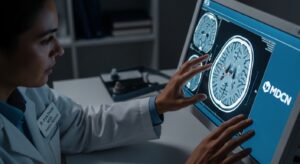
AI-assisted triage tools now flag critical findings instantly, pushing urgent cases to the top of radiologists’ worklists. Combined with experienced, MDCN-certified radiologists, this ensures both speed and accuracy.
At ClearView Reports, STAT cases are delivered in under 2 hours — supporting timely intervention in patient care.